Last updated on · ⓘ How we make our designs
See how burnt umber cladding, crisp gables, and bold glass ends turn familiar cabin and barn shapes into modern homes that look strangely right.
These burnt umber gabled houses start with familiar shapes we all know, cabins, barns, shoreline sheds, then get cleaned up into something calmer and more current. That rich brown cladding means a lot to us because it helps each home sit into trees, dunes, hills, and snow without looking a bit lost.
We pulled from forest cabins, old farm buildings, coastal shacks, and even a few Japanese garden cues, then kept the lines crisp with black roofs and bold glazed ends. It’s modern, but not in a too cool for boots sort of way.
As you go through these designs, pay attention to the rooflines first, then the recessed entries, glass links, stone and concrete bases, and the way big windows turn each house toward the view. That’s where the charm is, really, and maybe also why the humble gable still refuses to retire.
Burnt Umber Forest Gable
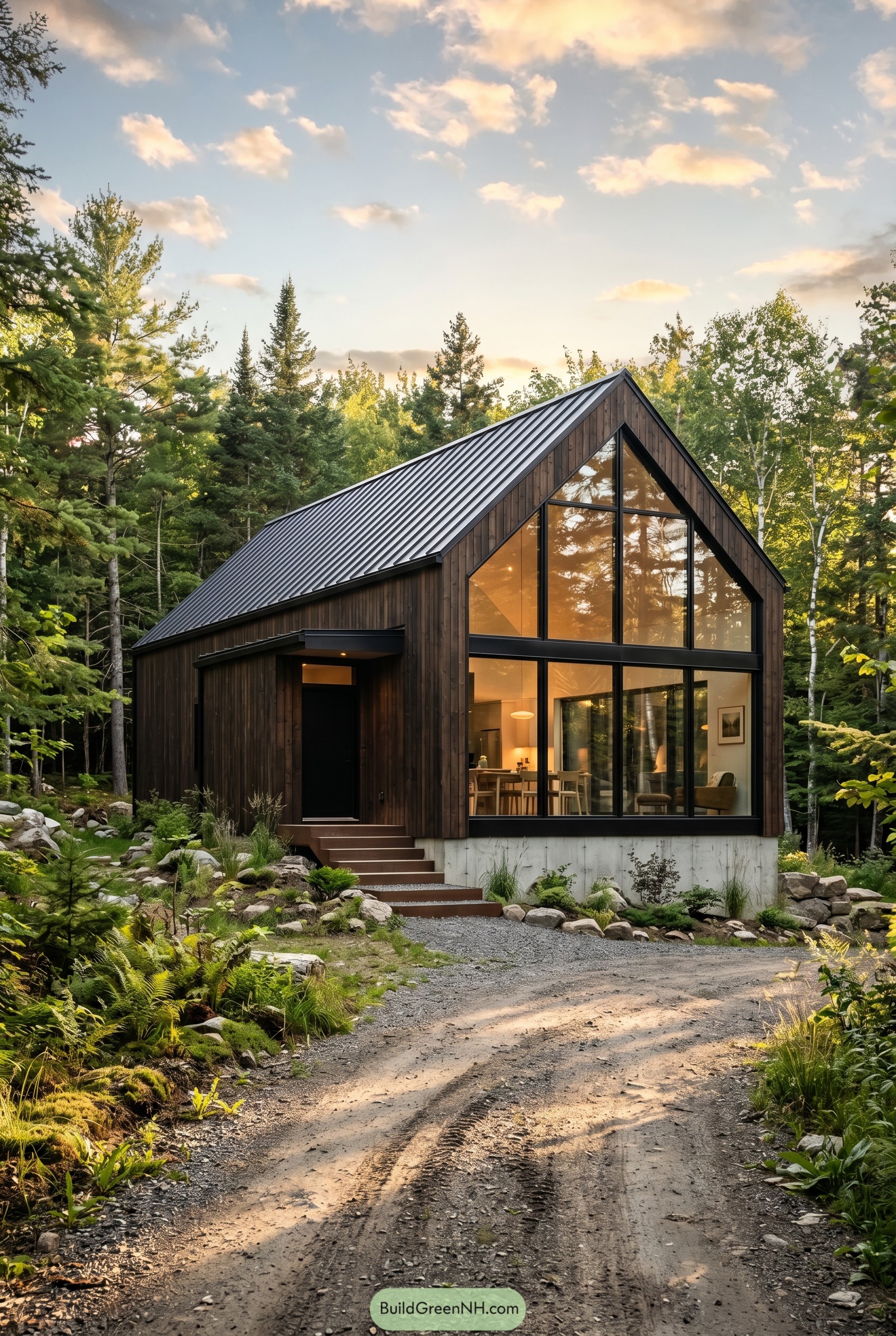



This gabled house takes the familiar cabin shape and cleans it up into something sharper, calmer, and a bit more grown up. The burnt umber cladding and black metal roof give it that tucked into the trees feel, while the full glazed front opens the whole place right out.
We love how the recessed entry keeps the front elevation neat, and the concrete base gives the warm wood a crisp edge so it does not get too cottage cute. Big triangular glazing pulls the roof form into focus, which is important here because the silhouette is really the star, and thankfully it is not trying too hard.
Coastal Umber Twin Peaks
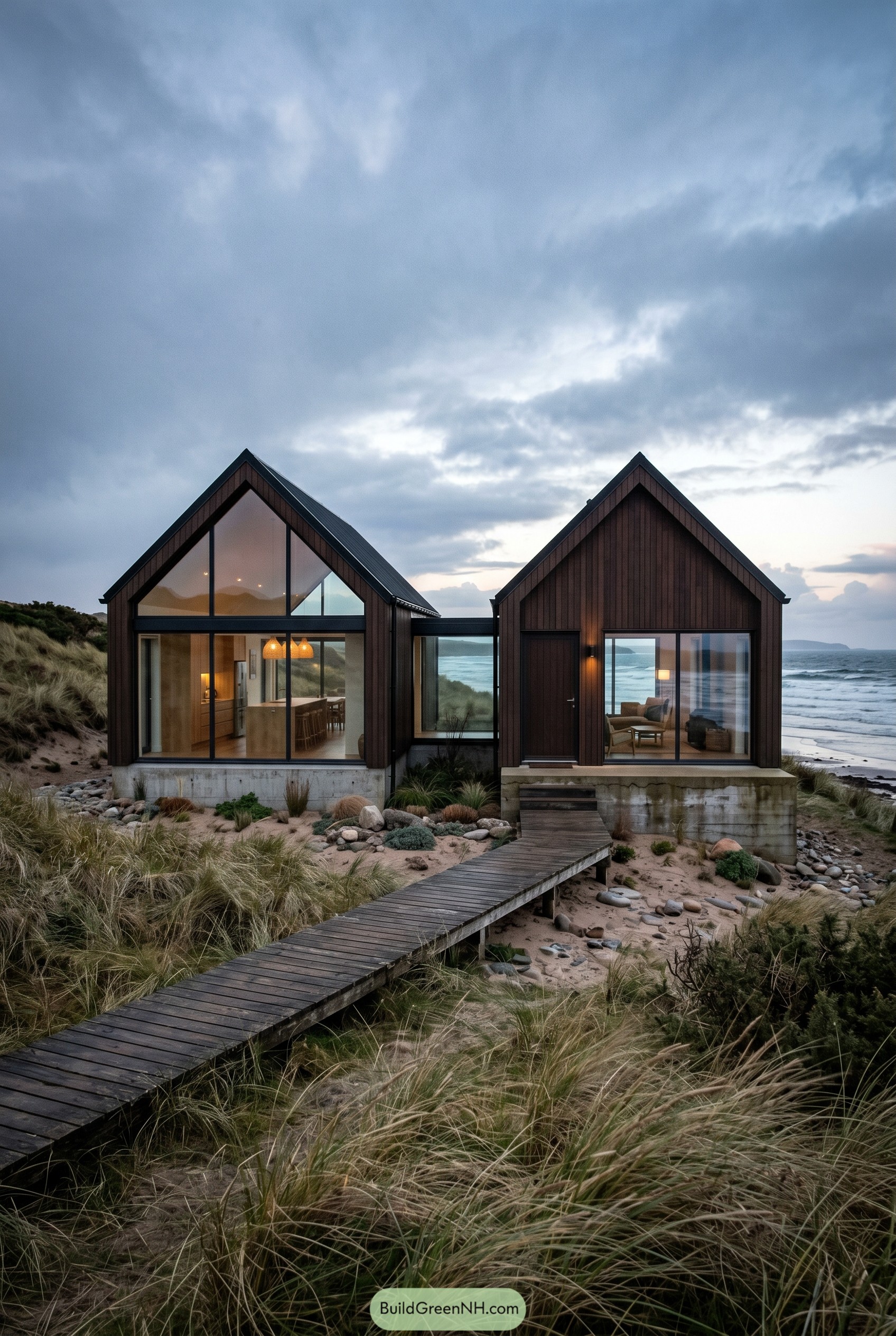

The split gabled form borrows from old dune cottages and fishing shacks, then trims everything back into something crisp and modern. That burnt umber skin is the magic bit, grounding the house in the grasses and sand so it looks settled in, not plonked there by accident.
A slim glazed link joins the two peaks and gives the plan a nice pause, while the tall triangular window pulls the main room straight toward the sea. Raised concrete bases and the simple boardwalk keep the house practical for a rough coastal setting, and they make the arrival feel a little cinematic too, without getting too fancy about it.
Birchveil Hearth House
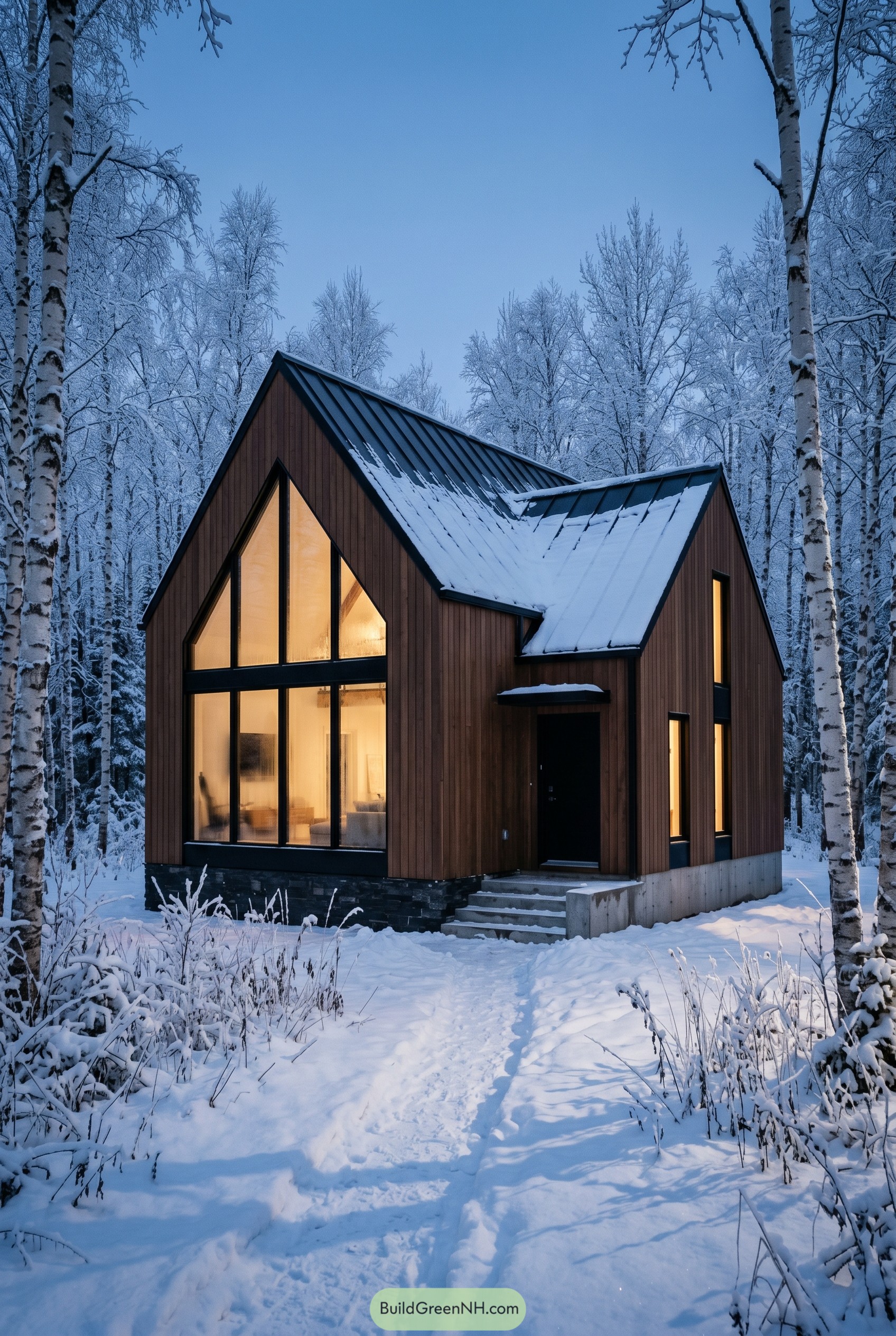

This house pairs a tall front gable with a lower offset volume, which keeps the silhouette crisp but not too precious. The burnt umber cladding was inspired by bark and winter cabins, so it settles into the birch grove in a very natural way.
The oversized triangular glazing opens the main living space to the trees, while the slimmer side windows protect privacy and keep the walls feeling calm. A steep black metal roof helps snow slide off without much fuss, and the concrete base gives the whole design a sturdy footing, because pretty houses still need boots.
Canyon Ember Ridgehouse
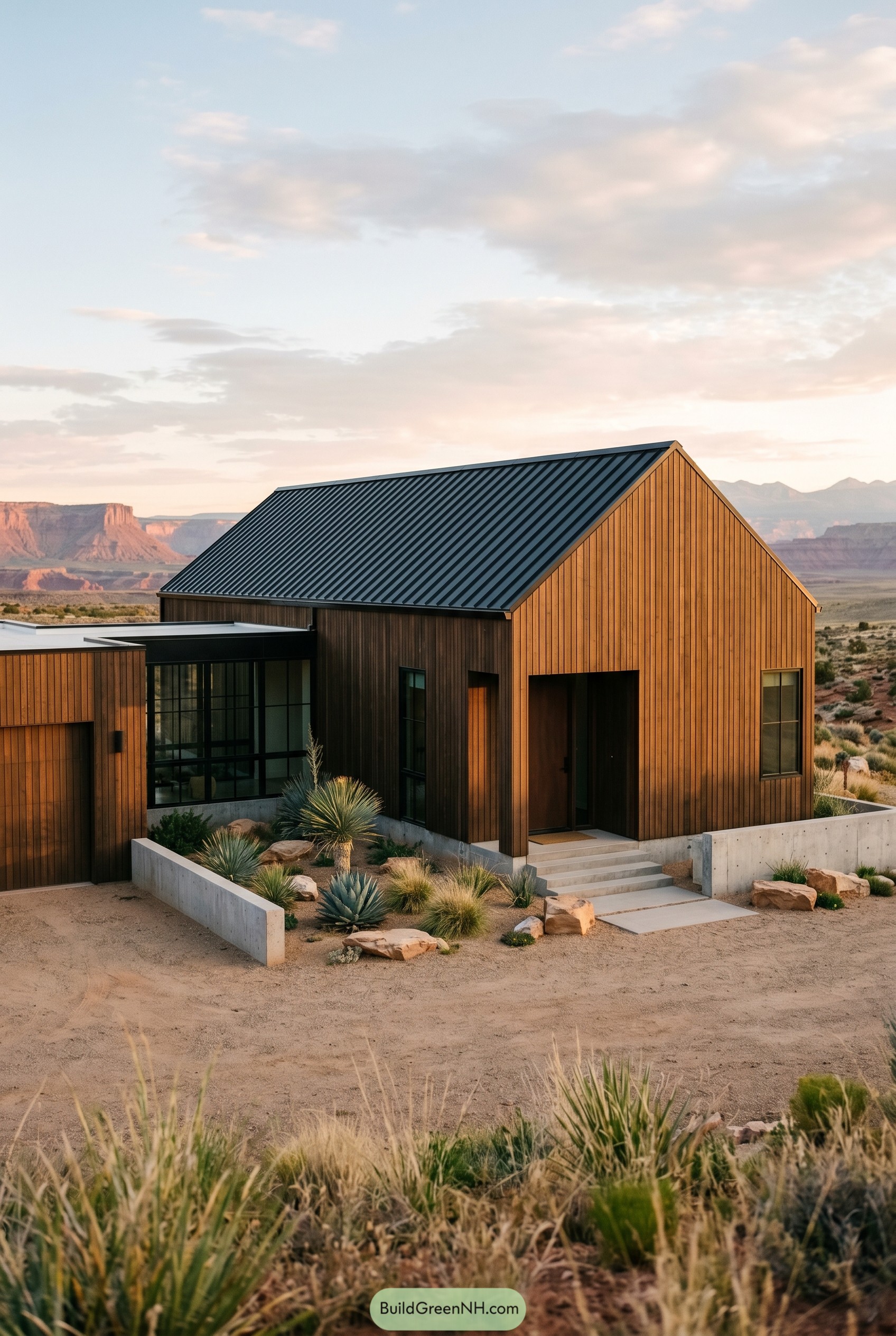

Set low against the desert, this burnt umber gabled home pairs a crisp barnlike silhouette with deep vertical cladding that feels warm without getting fussy. That simple roofline was inspired by old utility buildings out West, but the recessed entry and glass link soften it up a bit, like a tough jacket with a really nice lining.
The dark standing seam roof sharpens the profile and stands up beautifully to the open site, while the concrete garden walls anchor the house and carve out a sheltered arrival court. Native planting, narrow window openings, and that rich cedar toned skin help the whole design settle into the red earth, which is why it feels calm instead of dropped in from somewhere else.
Autumn Vale Connector House
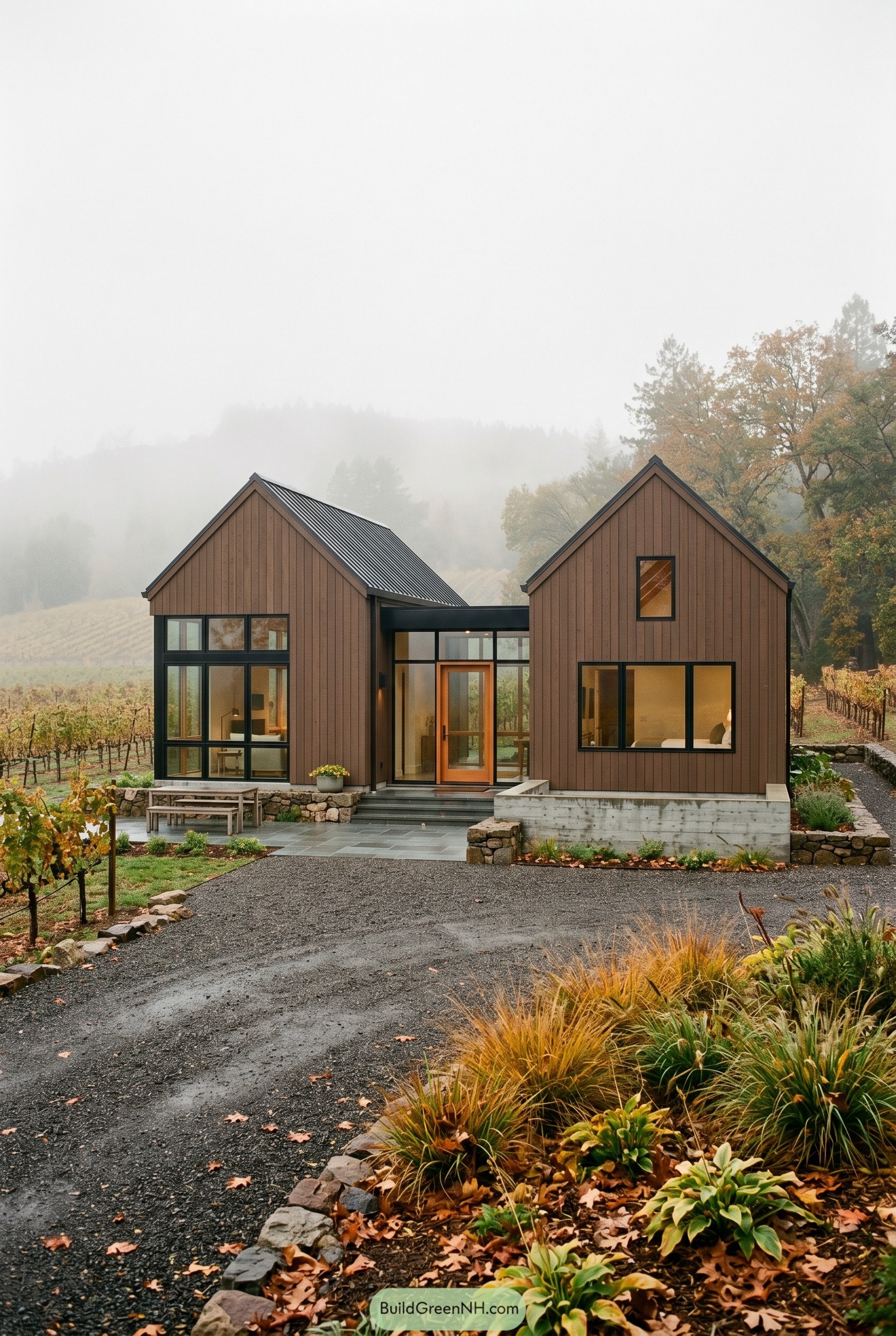

This house plays with two clean gabled forms set around a slim glass entry, giving the facade a calm split composition that feels both rural and very current. The burnt umber cladding brings warmth, while the black rooflines and window frames keep it crisp so it does not wander into cabin cliché.
The design pulls from vineyard barns and plain farm silhouettes that somehow always look great in fog, which is a little rude honestly. A recessed connector, sturdy concrete base, and low stone borders help it settle into the site, and those big windows make the rooms feel tucked into the landscape instead of boxed off from it.
Alpine Umber Trident House
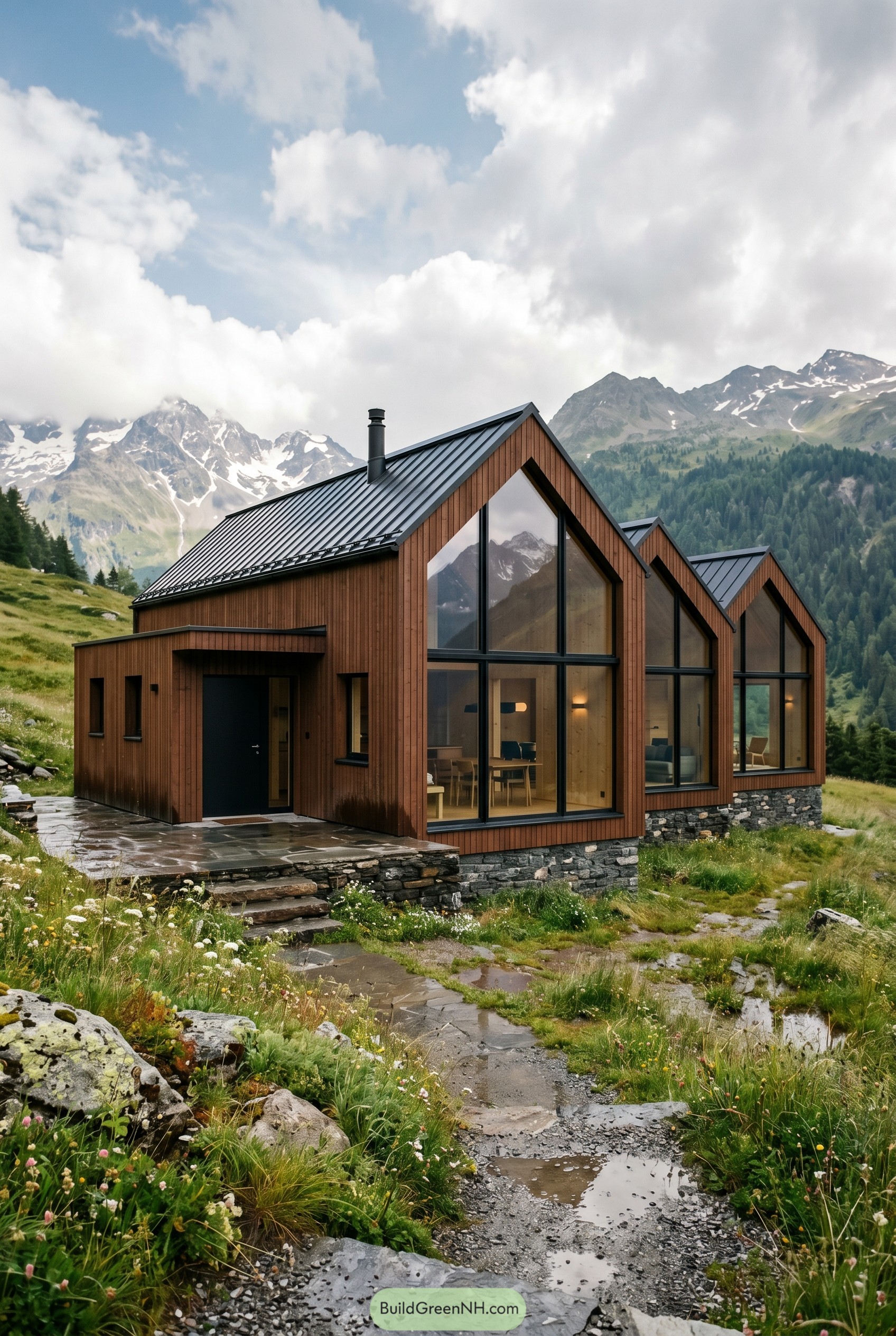

Three steep gabled volumes line up to give the house a long alpine profile without making it feel bulky. Burnt umber cladding warms up the exterior, while the black standing seam roof keeps the whole thing crisp and a bit stubborn in a good way.
Those tall glazed ends pull the mountain views straight into the living spaces, and the stone base helps the structure sit naturally on the uneven ground. We borrowed from old upland barns and lodge forms, then trimmed everything back so it feels calm, cozy, and very ready for wet boots.
Inkwood Garden Peak
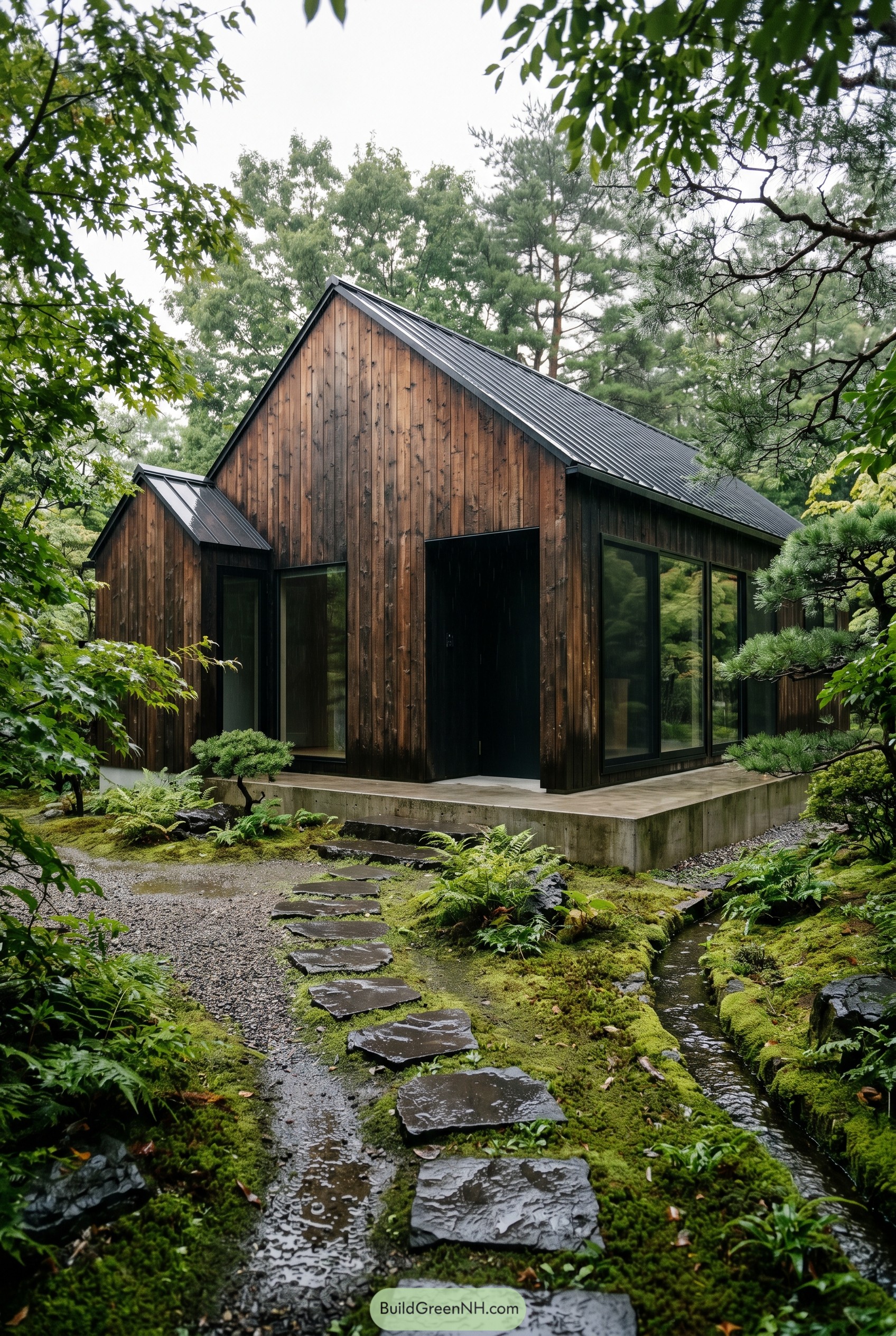

This design pairs two crisp gabled volumes in a deep burnt umber finish, with a black standing seam roof that keeps the whole silhouette clean and a little moody in the best way. The recessed entry cuts a quiet notch into the larger form, which makes the house feel sheltered and composed instead of shouting for attention.
We took cues from woodland cabins and Japanese garden houses, so the vertical timber cladding, low concrete base, and big corner glass all sit close to the landscape without getting fussy. The stepping stones, mossy ground cover, and narrow water runnel turn the approach into a slow little ritual, which is nice because nobody really wants a front walk that feels like a parking lot.
Stillwater Cedar Lantern
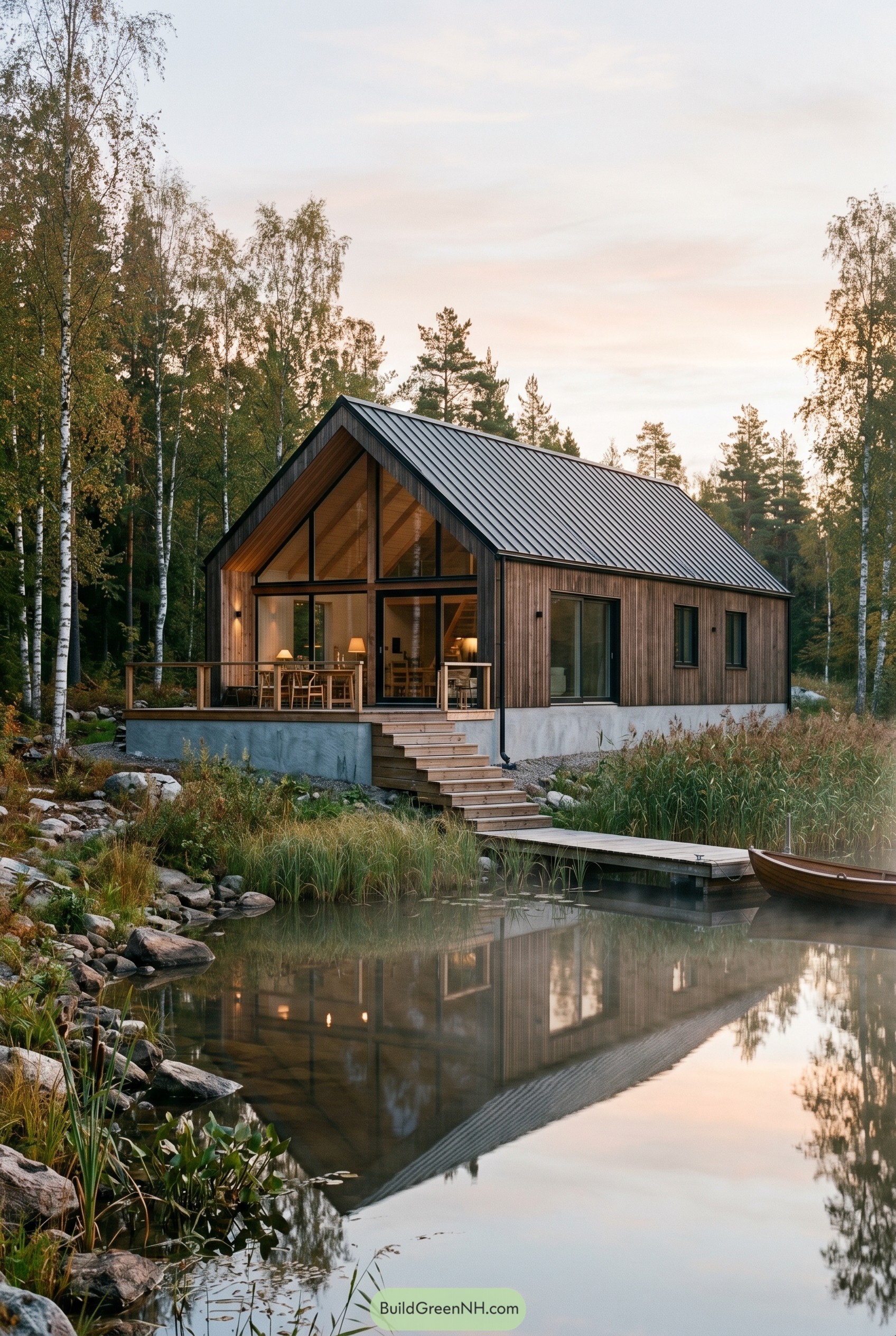

The long gabled form keeps things crisp and calm, wrapped in deep umber boards with a dark metal roof that feels right at home among the birches. A full glazed end turns the main living space toward the pond and deck, because if you have a view this good, you don’t play shy.
We took cues from old lakeside cabins, then cleaned up the lines and opened the front so the house feels bigger than its footprint. The raised base, tucked side windows, and warm timber ceiling make it practical in wet ground and cold weather, while the little dock connection gives the whole place a quiet holiday mood.
Sienna Canopy Gable
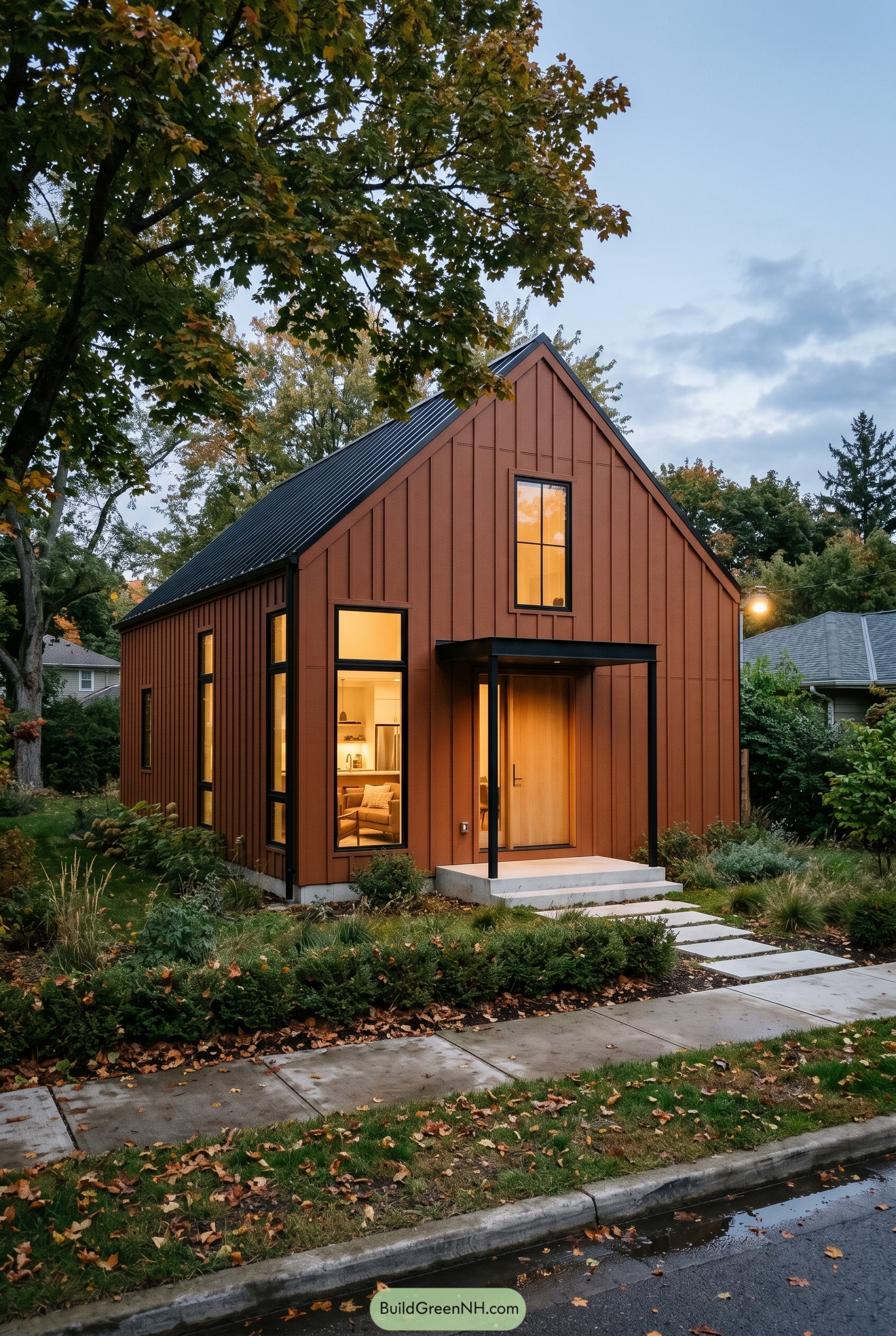

The steep gable and vertical burnt umber cladding keep the form crisp and compact, while the black metal roof gives the whole silhouette a sharp clean edge. We shaped it to feel at home under the leafy canopy, a little bit rustic and a little bit tailored, like a cabin that learned some manners.
Tall windows at the corner pull the living spaces right to the garden and make the footprint feel bigger than it is, which is a pretty handy trick. The simple porch frame and pale wood entry soften the darker shell, so the front feels warm and welcoming instead of trying too hard.
Moorland Umber Outlook
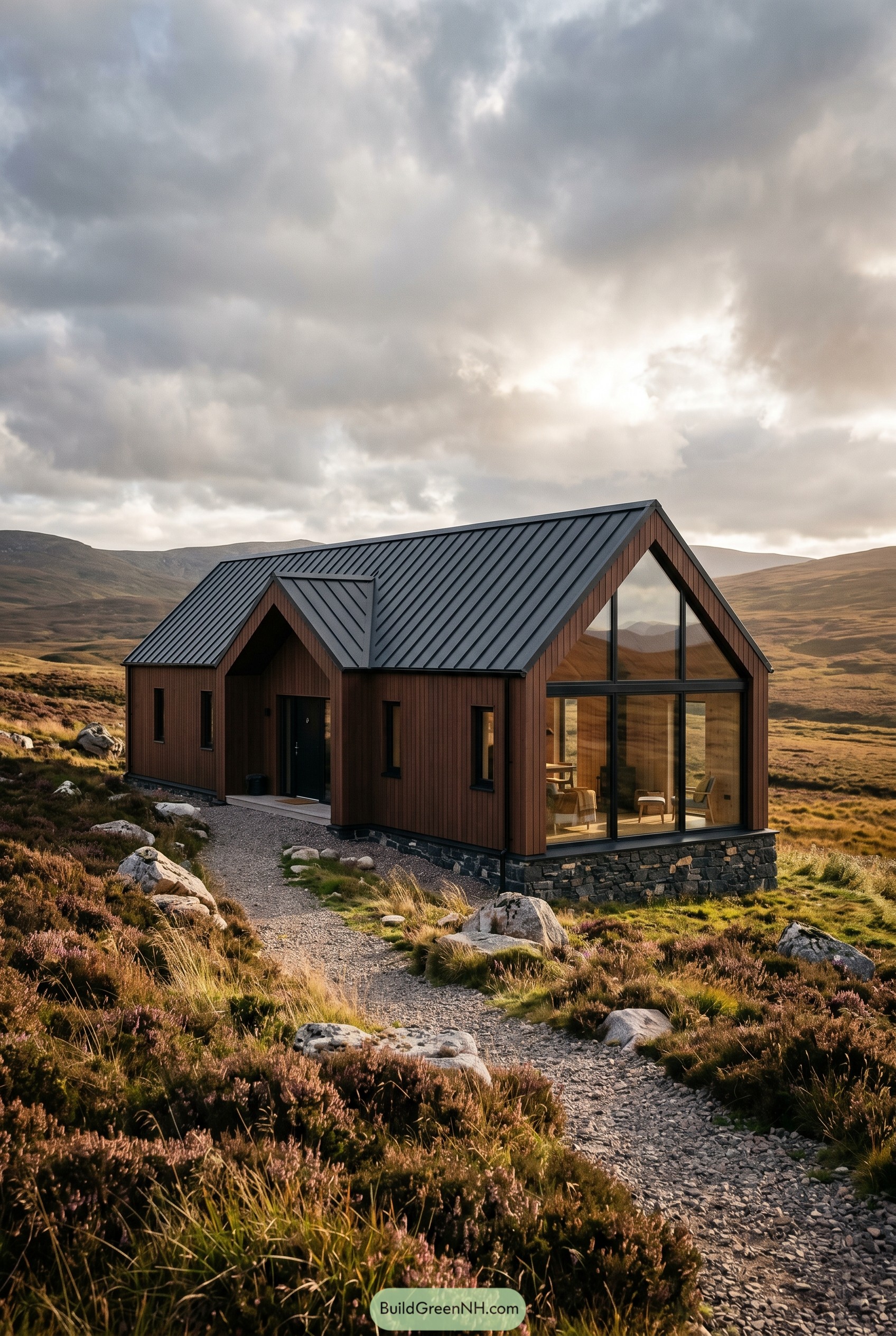

The long gabled form feels lifted from old upland cottages, then pared back until it turns crisp and quietly bold. Burnt umber cladding wraps the walls in vertical lines while the dark metal roof keeps the silhouette neat and a bit stubborn in the best way.
A recessed entry cuts into the volume so the front stays sheltered, and the full height glazed gable opens the living end straight to the sweeping hills. The stone base grounds the house against rough terrain, which matters here because weather loves to be a little chaotic.
Blossom Walk Foldhouse
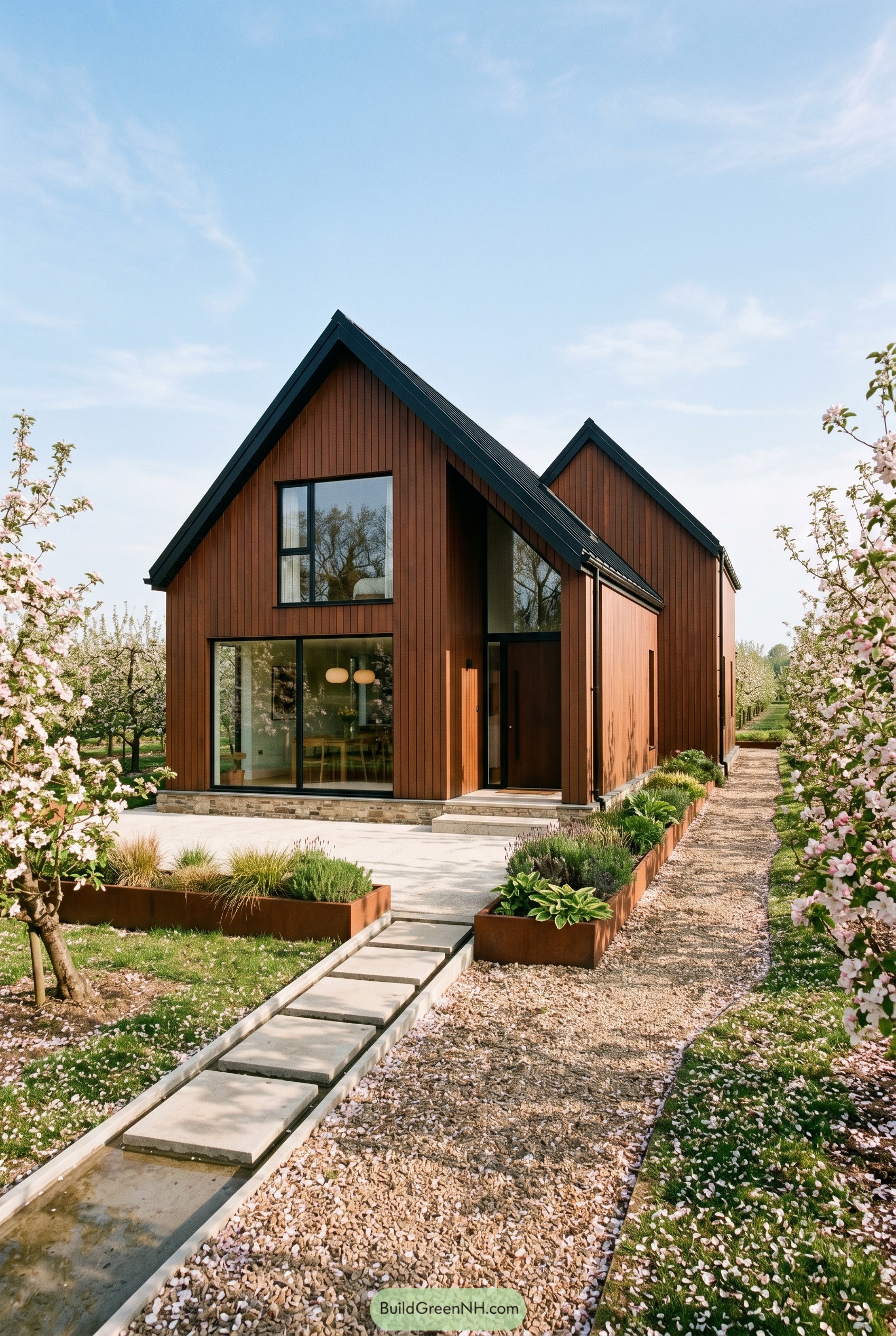

This house pairs two crisp gable forms in a warm burnt umber shell, tucked neatly among rows of flowering trees. The vertical cladding and dark roof give it a sharp outline, while the recessed entry adds a nice bit of shelter and makes the front feel quietly inviting.
It feels inspired by the orchard all around it, which softens the clean geometry and keeps it from getting too serious. Large black framed windows open the living spaces to the garden, and the gravel path with weathered steel planters gives the approach a polished look that is, honestly, a little showy in a good way.
Stormfjord Split Gables
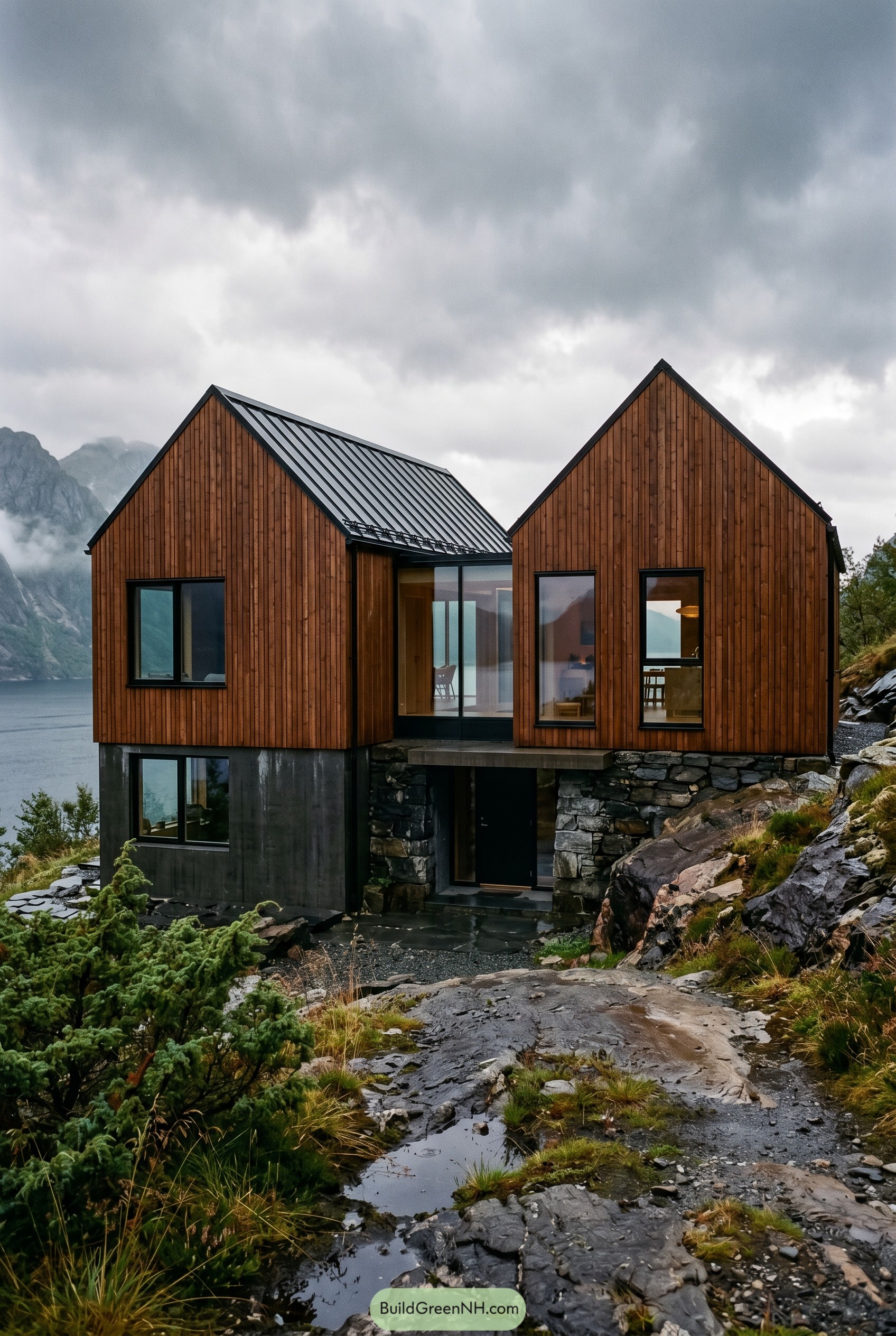

The design pairs two steep gabled forms in burnt umber timber, set slightly apart so the glazed link feels like a pause rather than a hallway. That move keeps the house crisp against the wet mountain backdrop, and gives each volume its own mood, which is kind of charming.
A dark concrete and stone base anchors the upper cladding into the rugged ground, so the house looks settled instead of nervously tiptoeing on the hill. Slim black frames and tall windows sharpen the silhouette while opening up the fjord views, and the metal roof brings the sort of calm toughness this weather clearly asked for.
Windswept Russet Duo
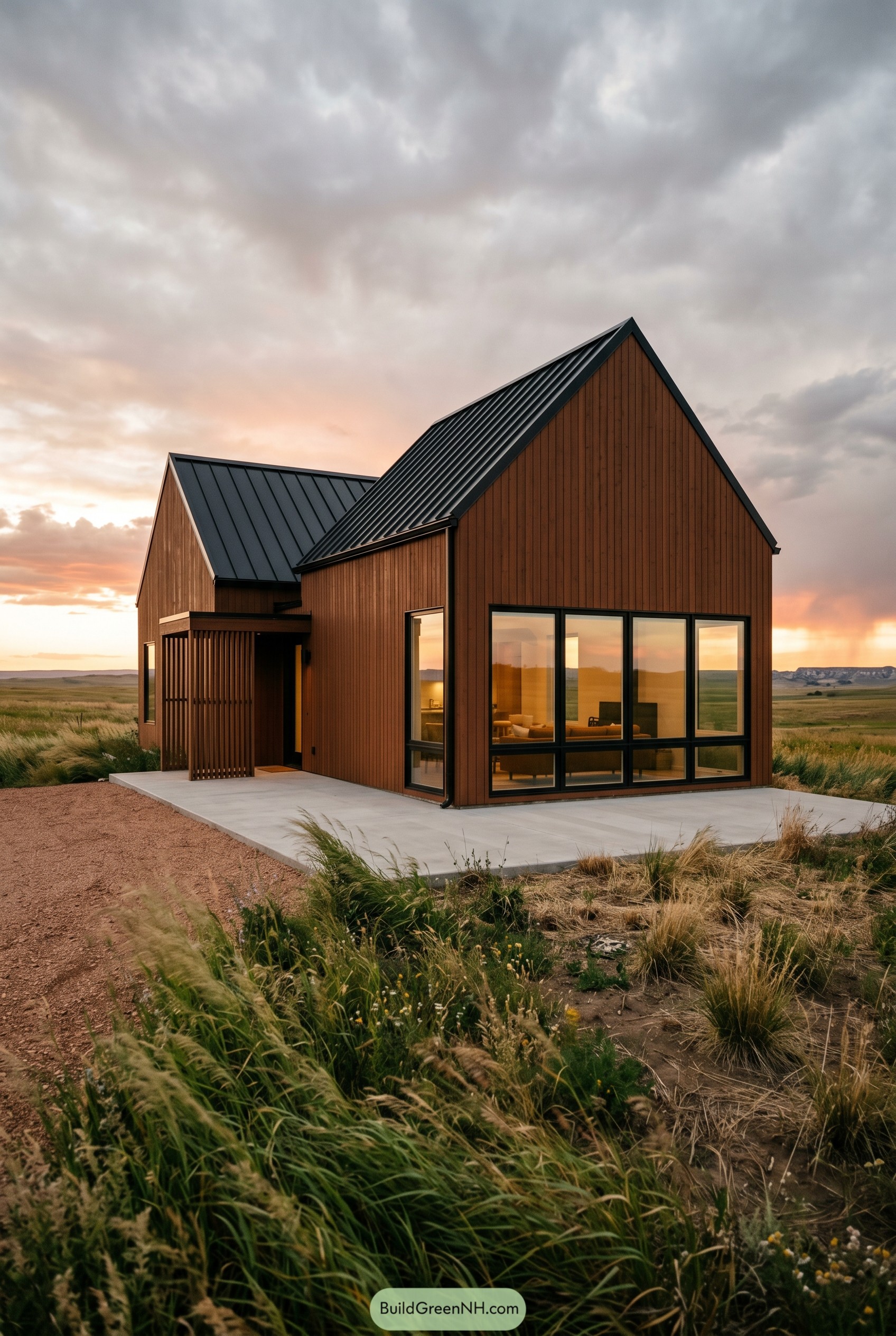

Two crisp gabled volumes sit slightly offset, giving the house a barnlike silhouette that feels at home in the open prairie without slipping into nostalgia. The burnt umber cladding and black standing seam roofs keep it lean and contemporary, with enough warmth to stop it from feeling too buttoned up.
A slatted porch pulls the entry into a sheltered pocket, while the broad black framed windows turn the main rooms toward the far horizon. We shaped it with cues from ranch sheds and old field buildings, only cleaner and a bit better behaved, because nobody really wants hay barn energy indoors.
Olive Stone Quiet Gable
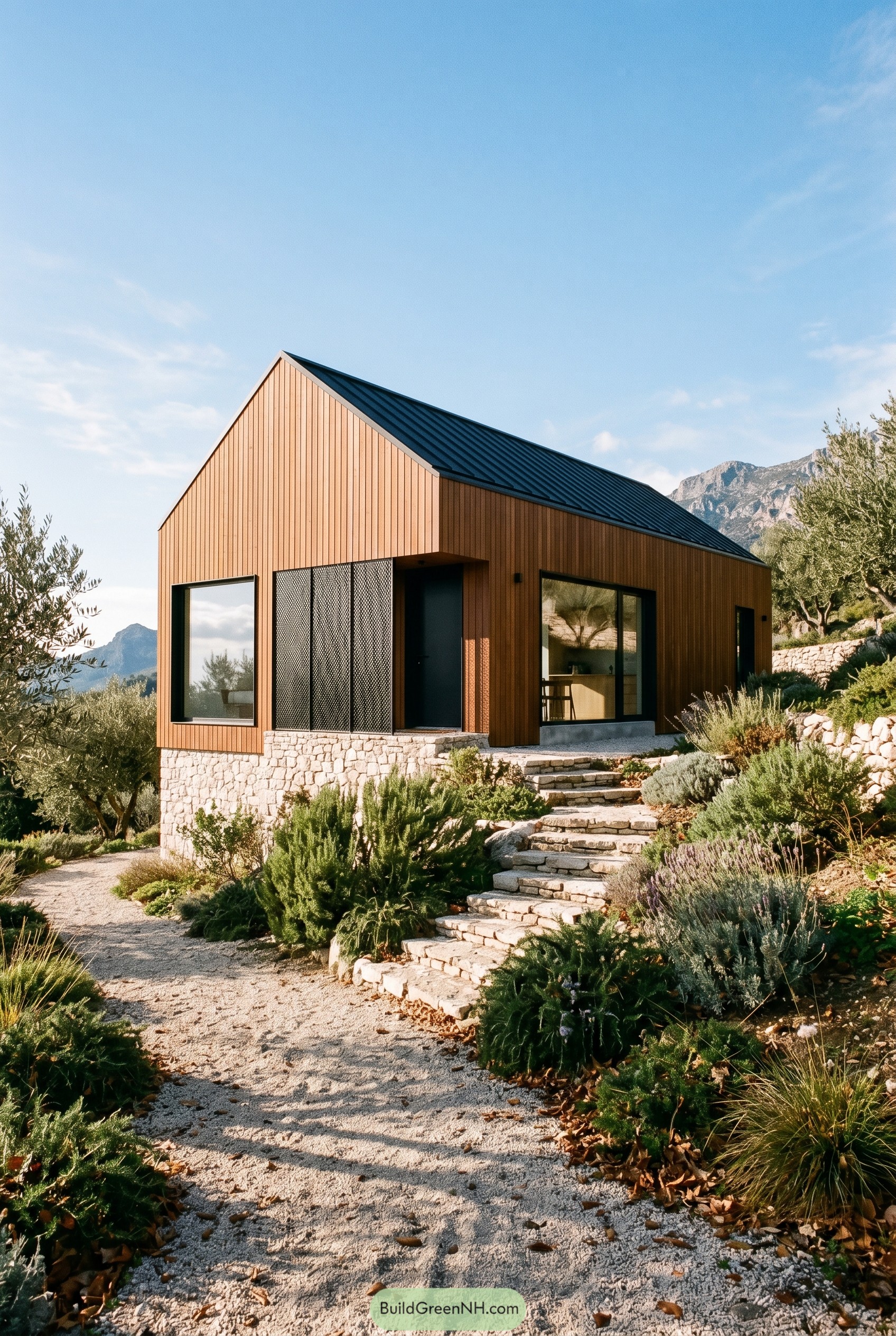

The form is wonderfully pared back, just one crisp gable wrapped in warm umber cladding and capped with a dark metal roof that keeps everything looking sharp. We took cues from hillside barns and old stone terraces, so the house feels settled into the slope instead of plopped on top like a lost suitcase.
That pale stone plinth matters more than it first lets on, because it anchors the volume and gives the timber skin a nice bit of contrast without getting fussy. Big black framed openings, a tucked in entry, and those perforated screens add privacy and texture, which is handy and pretty charming too.
Cinderpath Skybridge Cabin
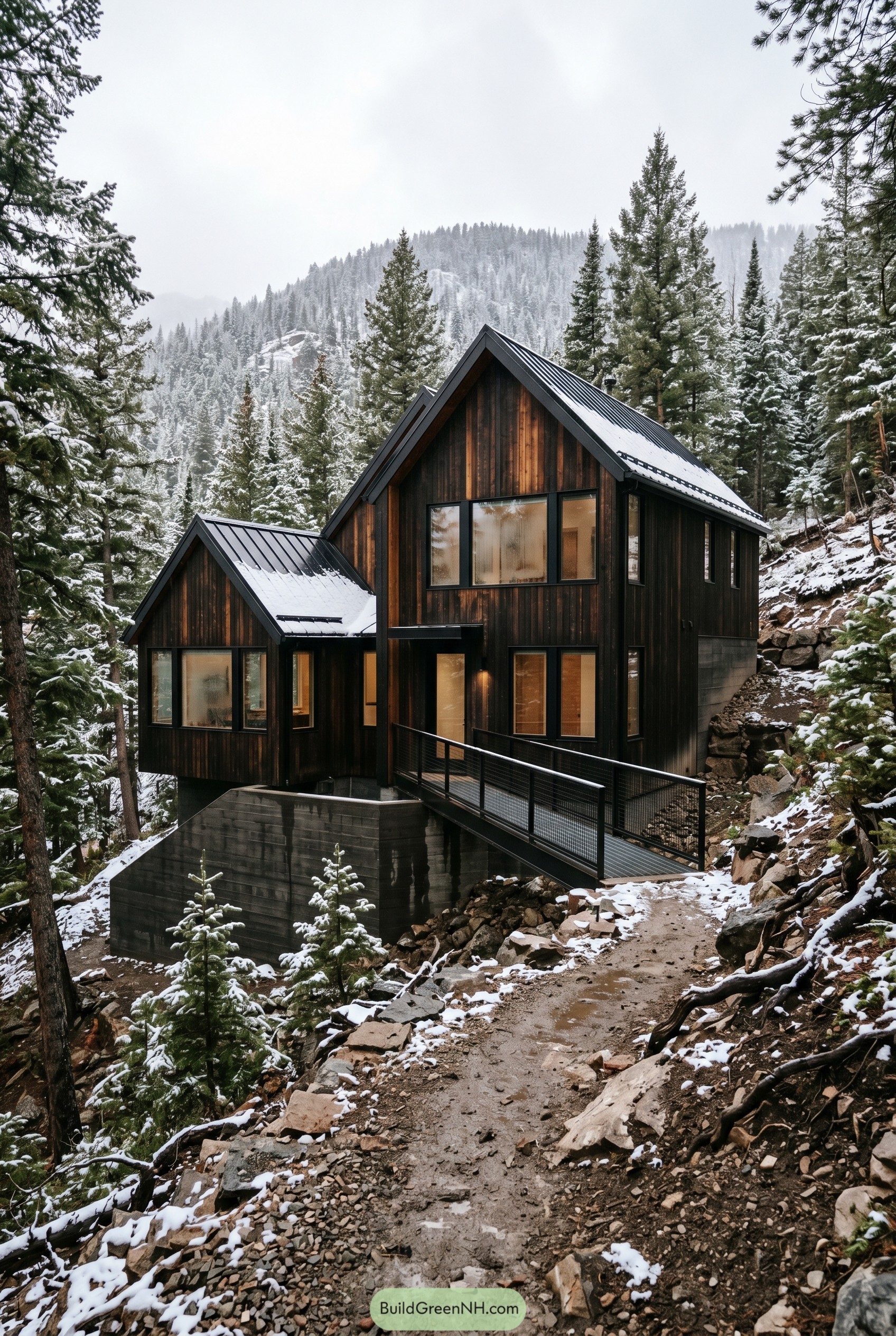

Two steep gabled volumes step into the hillside with a dark burnt umber skin that feels grounded against the snow and pines. The black metal roofs keep the profile crisp and simple, while the bridge entry gives the approach a little suspense, in a good way.
We shaped the home around the rocky slope, lifting it on a concrete base so it settles into the terrain without sprawling all over the place. Tall black framed windows punch through the facade with just enough contrast, and the whole cabin has that quiet winter confidence that does not need to show off.
Reedbank Oxide Nook
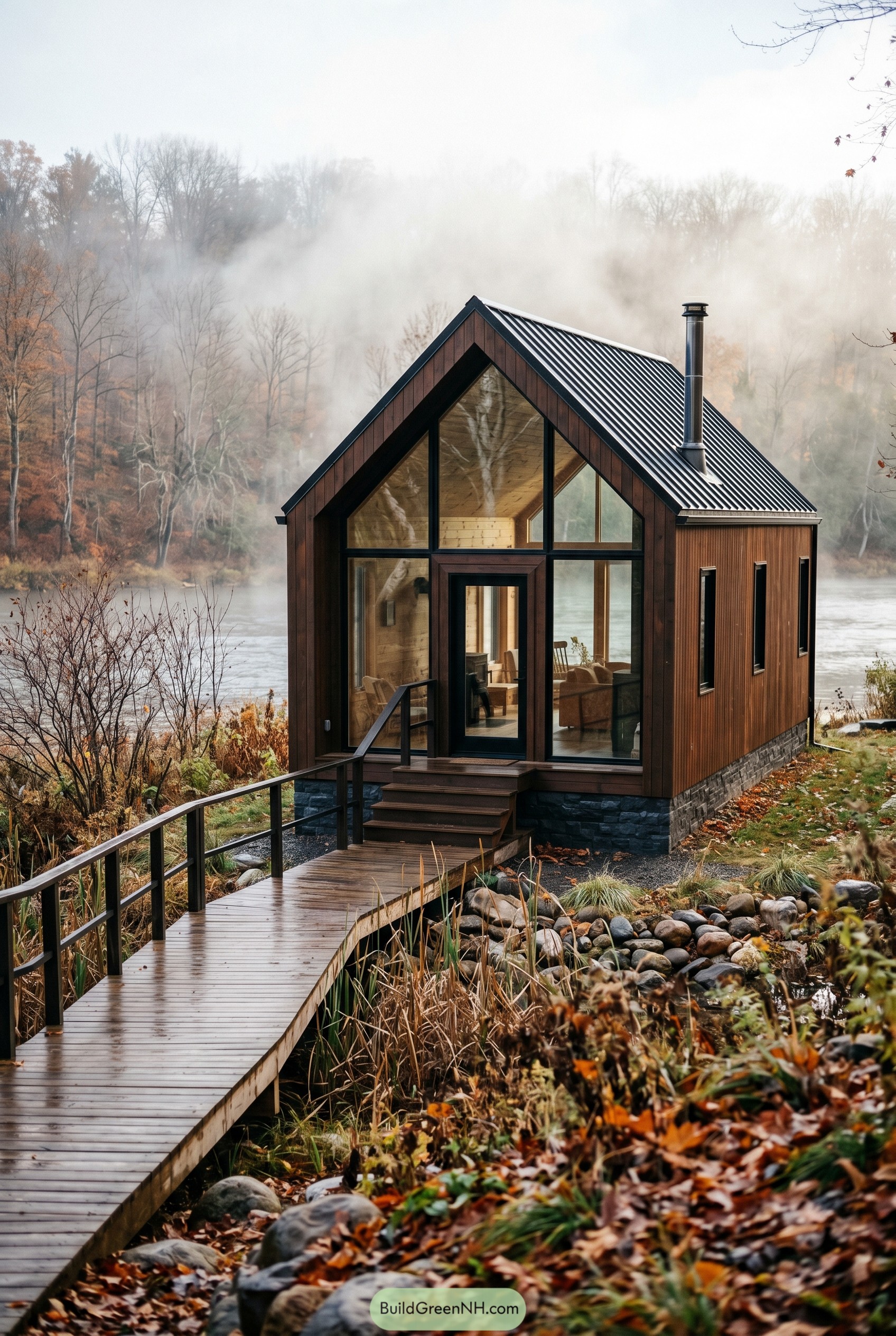

The cabin keeps a slim footprint and a steep black roof, which lets it sit neatly on the riverbank without feeling fussy. Burnt umber cladding wraps the walls in tight vertical lines, and that dark stone base gives the whole thing a grounded look, like it knows mud season is coming.
A full glazed gable opens the front to the water, while the side windows stay narrow and calm for a bit of privacy. The curved boardwalk is a lovely touch because it eases the approach through the reeds and rocks, and honestly, a straight path would have been a little boring.
Fern Grotto Pitch House
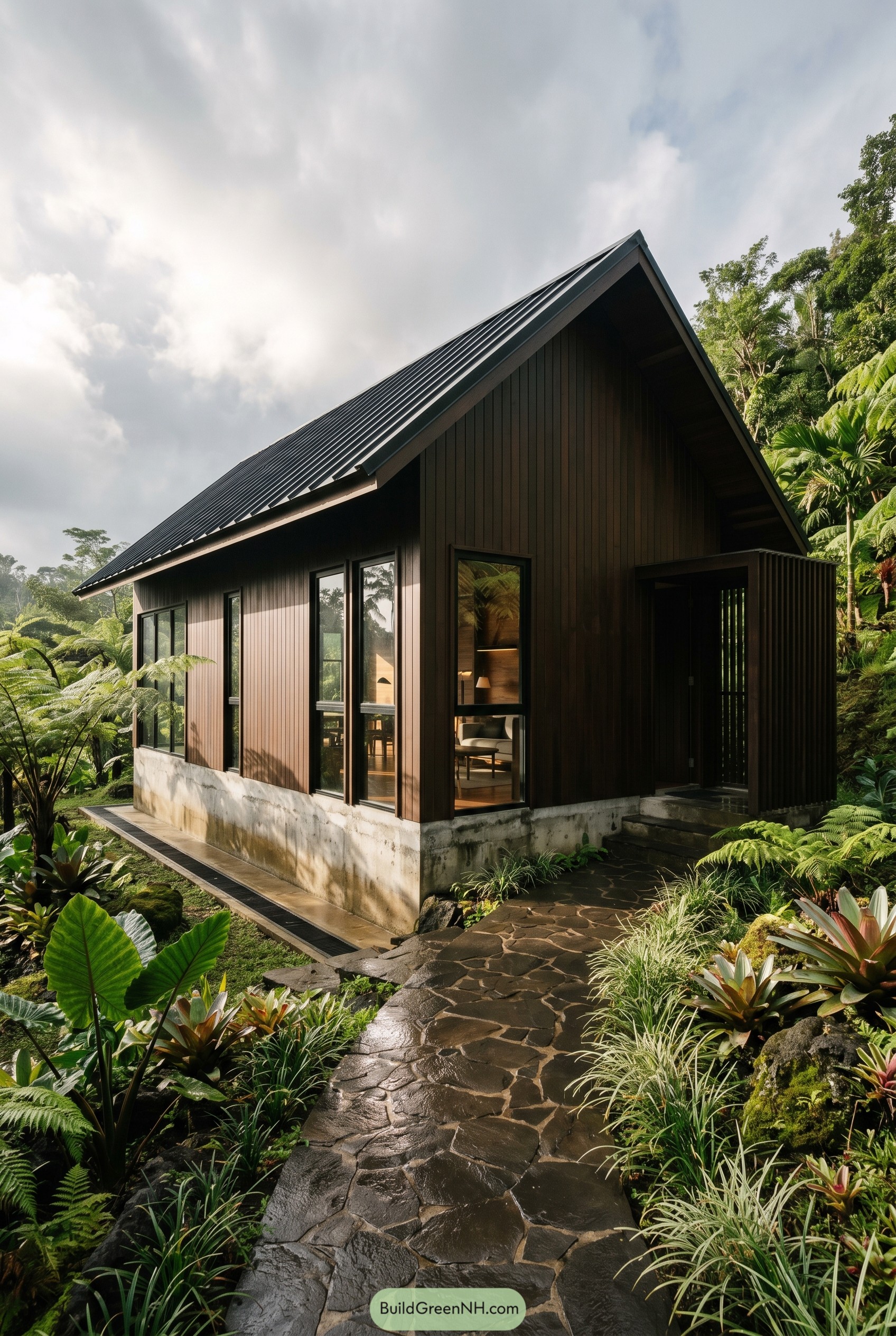

The steep gable and burnt umber cladding give the house a clean silhouette that feels right at home among the ferns. It was clearly shaped for a rainy setting, with that sharp dark roof sending water off fast and looking pretty cool while it does it.
Vertical siding keeps the volume neat and tall, while the recessed entry adds a bit of shelter without making a fuss. We love the concrete base and dark stone path here, because they ground the whole design and stop the cabin from feeling too precious, which would be a bit silly in a jungle.
Lavender Verge Triptych
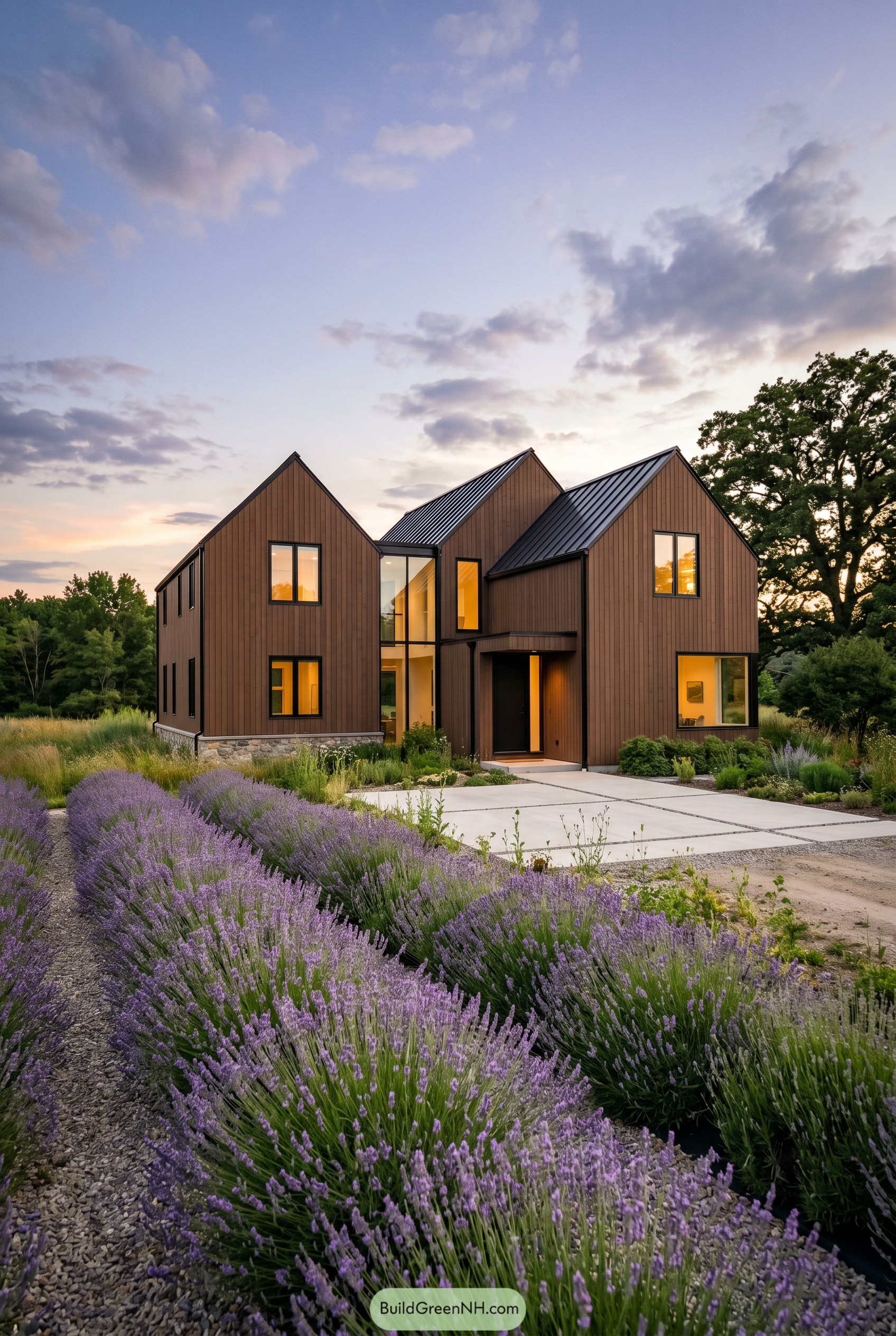

Three crisp gabled forms gather around a glazed central slot, so the house reads more like a small cluster than one big box. The burnt umber siding and black metal roofs pull from old barn shapes, but the finish is cleaner and a little sharper, like the country cousin who suddenly got very stylish.
We tucked the entry into a recessed corner between the peaks, which makes the approach feel sheltered and nicely composed. Simple black framed windows, a low stone base, and rows of lavender out front keep the whole design warm and grounded, without getting fussy about it.
Aspen Glade Wedge Barn
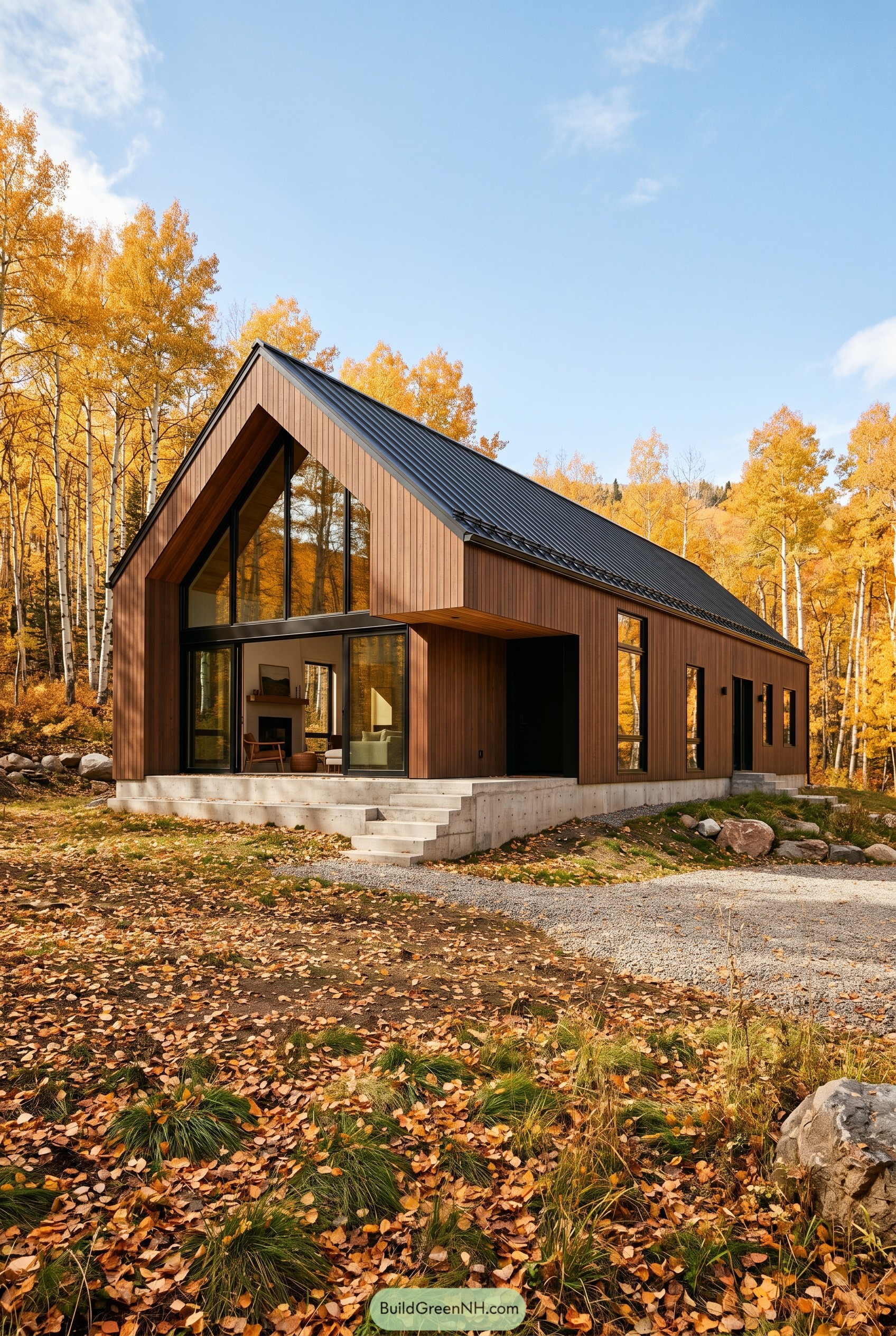

The long gabled form keeps things crisp and calm, with burnt umber vertical cladding and a black metal roof that gives it a neat coat and boots kind of look. At the front, the tall glazed wall opens the living area to the aspen grove, so the house feels tucked into the trees instead of just dropped there.
We took cues from simple mountain barns, then cleaned the lines way up and carved out a sheltered entry for a bit of depth and relief. The concrete base anchors the volume on the sloped ground, and those narrow side windows keep the facade from getting too serious, which is nice because modern houses can be a little moody sometimes.
Tidegrass Ember Landing
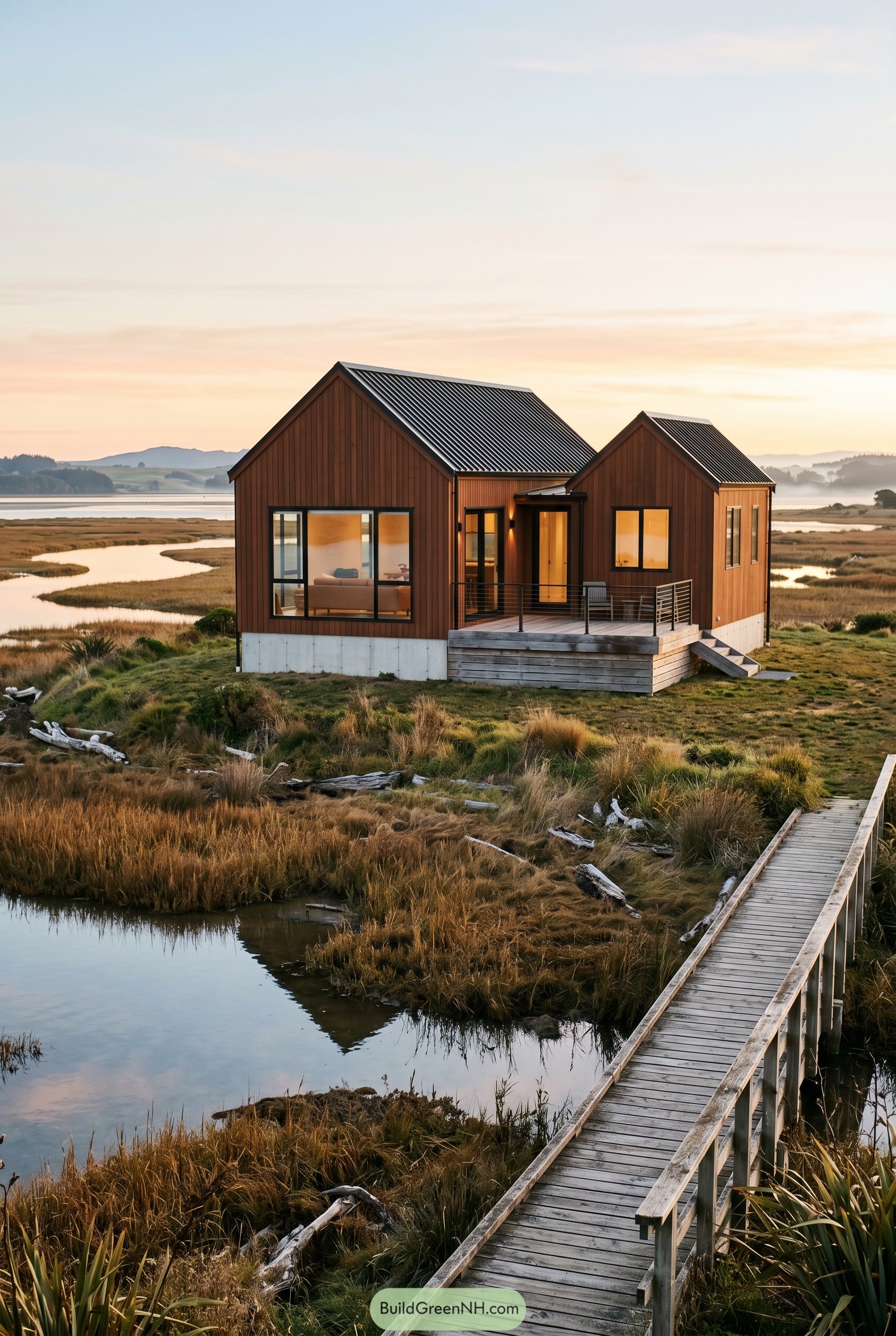

The two gabled forms sit like old shoreline sheds cleaned up for modern life, with burnt umber cladding that feels warm against the pale water and sky. That split massing keeps the house from looking bulky, and it gives the entry porch a tucked in spot that’s handy when the wind gets a little bossy.
Large black framed windows pull the marsh right up to the living spaces, while the raised deck and boardwalk make the approach feel a bit like a tiny expedition. We kept the rooflines steep and the detailing spare so the whole place stays crisp, durable, and quietly memorable without trying too hard.
Wildflower Bluff Longroof
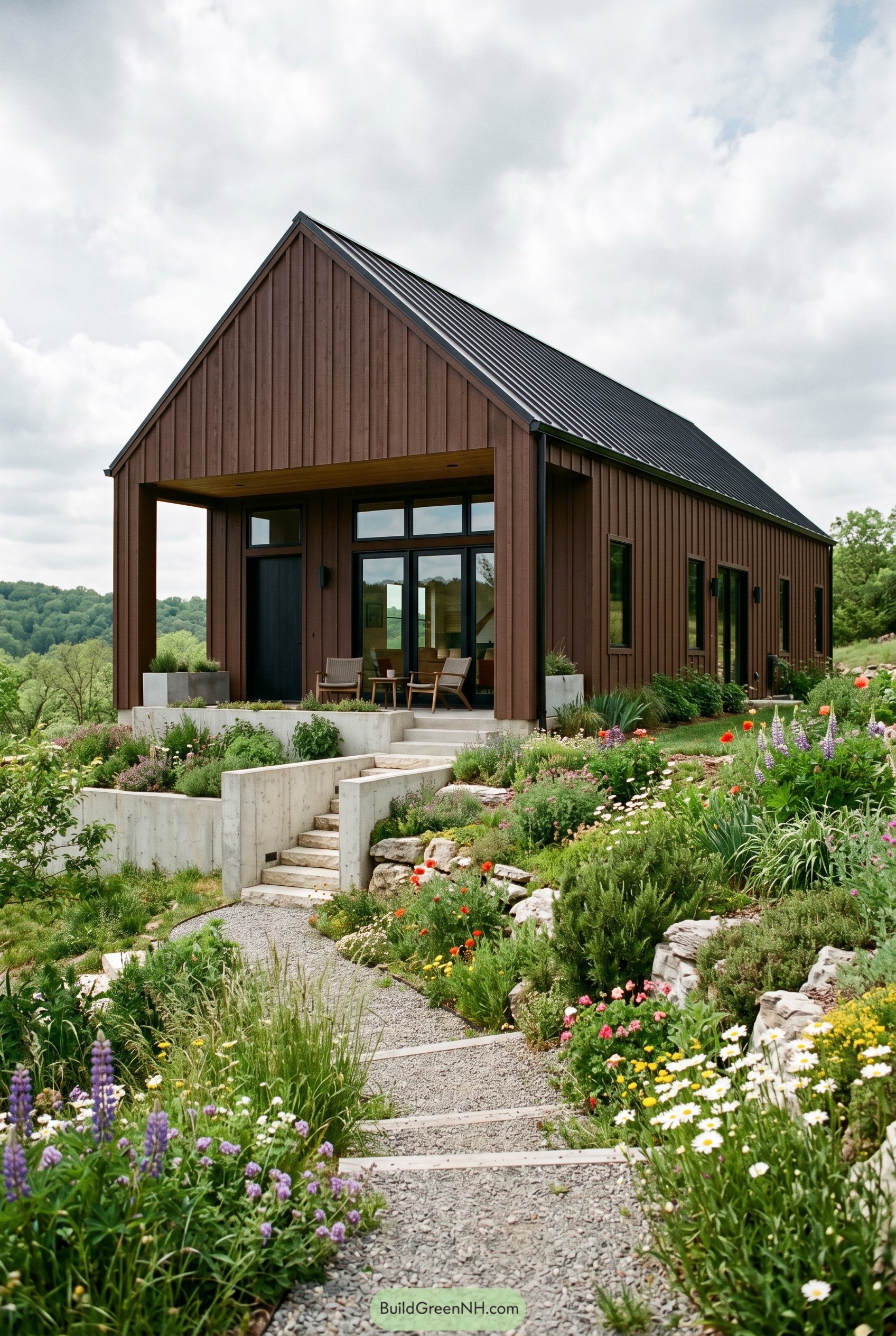

This one borrows the familiar barn shape, then trims it down into a crisp single gable wrapped in burnt umber siding with a charcoal metal roof on top. The recessed porch gives the front a sheltered pocket, so the entry feels welcoming instead of just standing there looking serious.
What really sells it is how the house steps into the hill with clean concrete terraces and a loose, flower filled garden that softens every edge. Tall black framed windows keep the form sharp and pull the landscape right up to the rooms, which is smart and kinda lovely.
Pin this for later:
Want More?
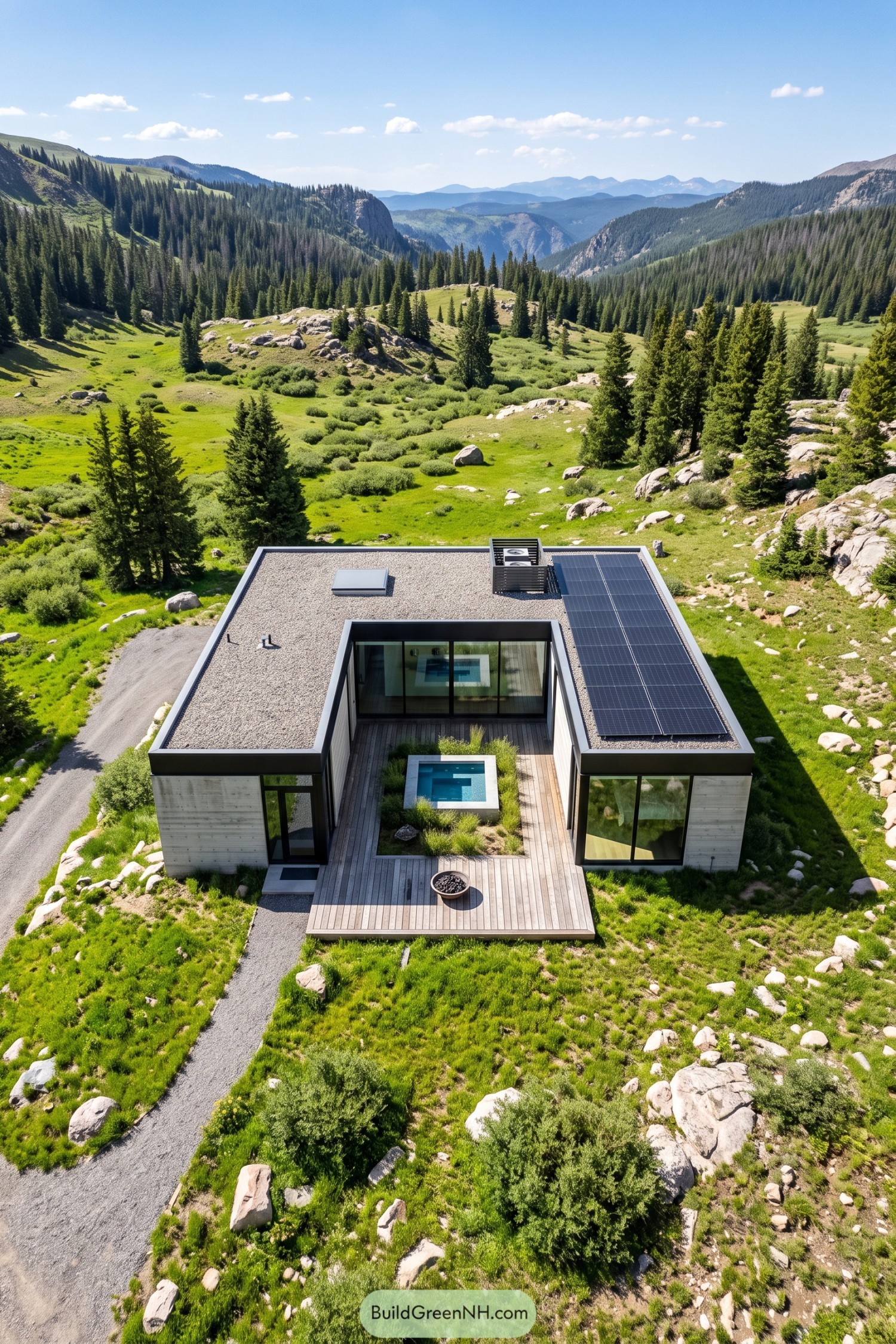 20 Villas With Inner Courtyards That Turn Secret Gardens Into Everyday Escapes
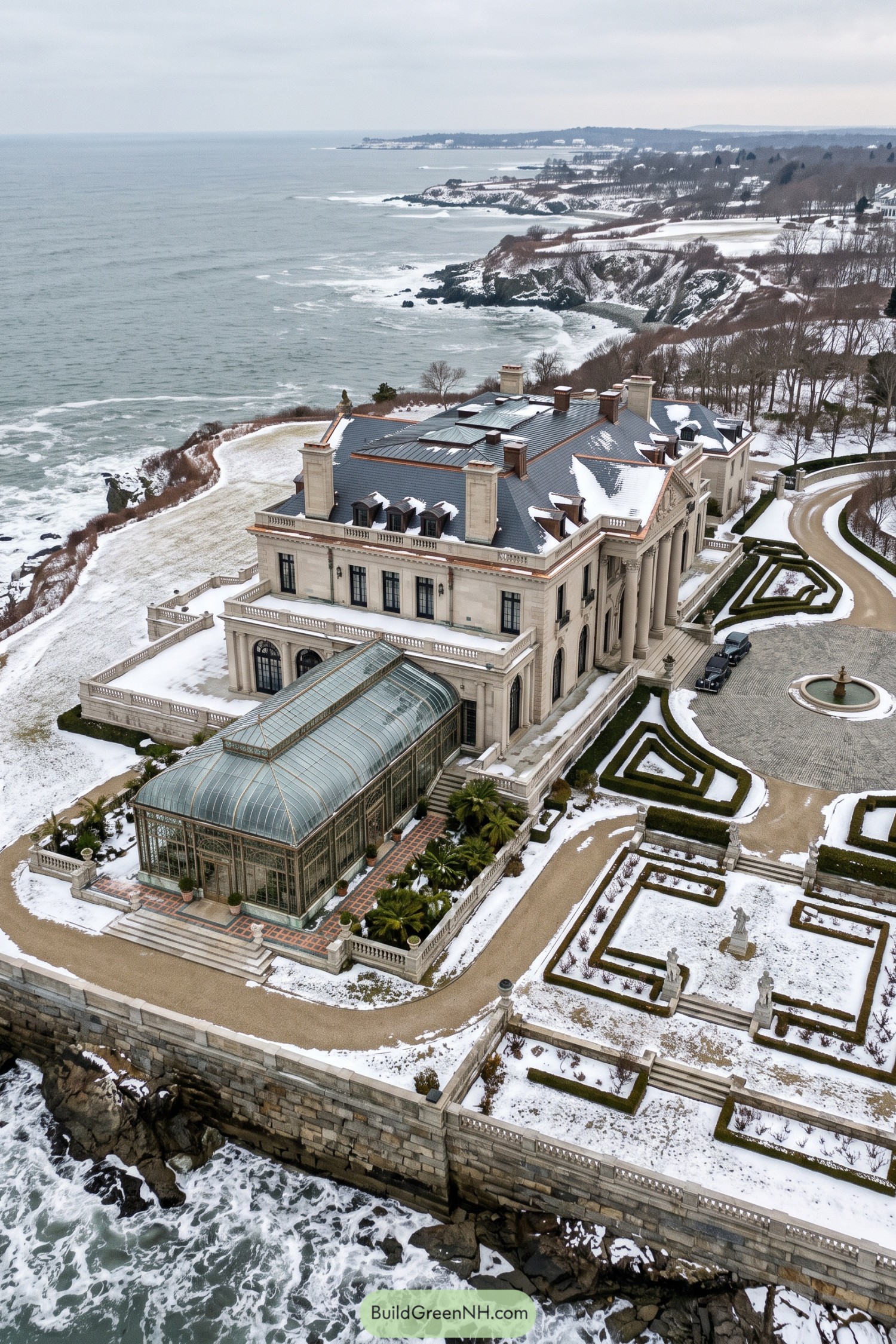 21 Breathtaking Old Money Winter Mansions That Make Snow Days Feel Royal
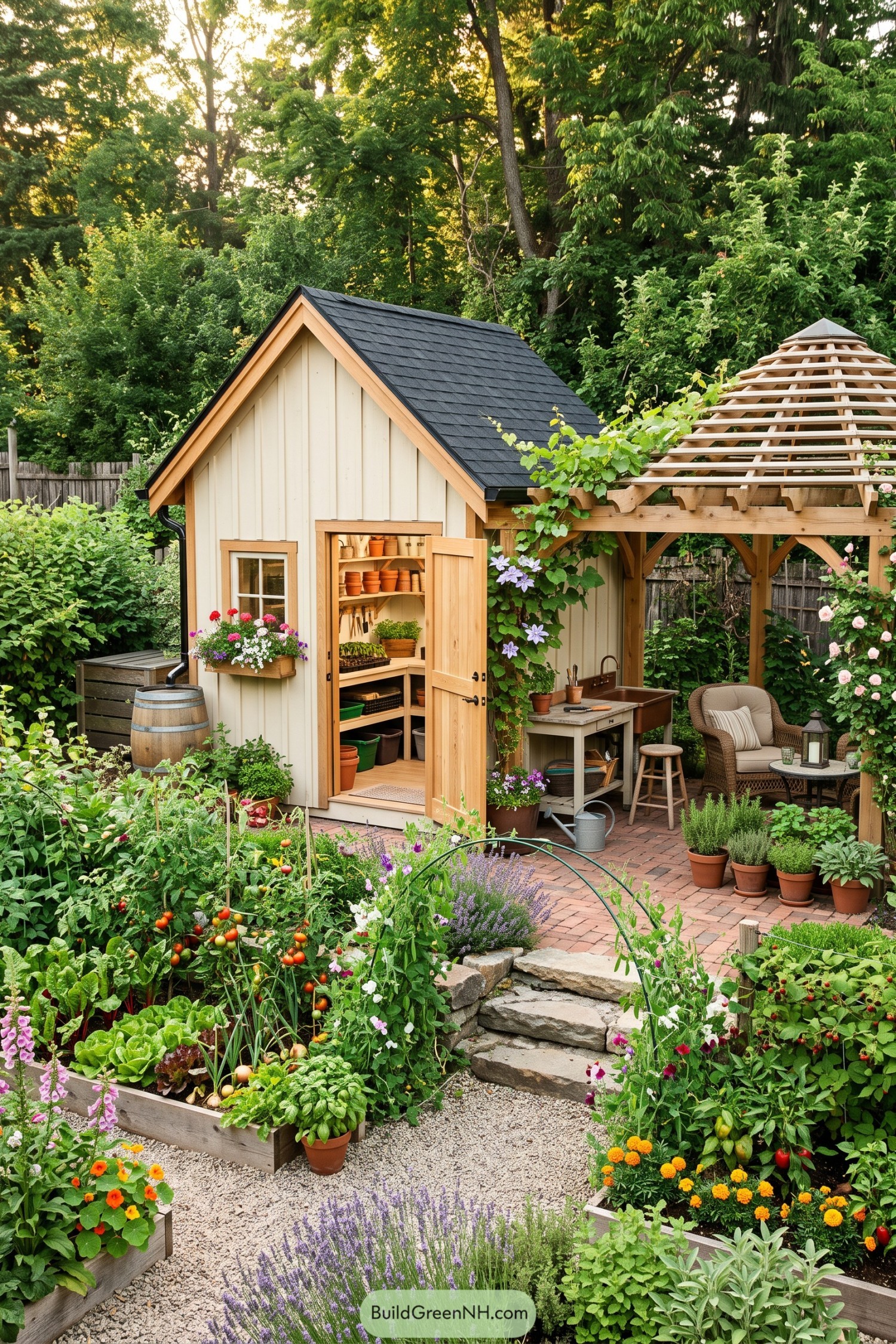 20 Sheds With Garden Structures That Turn Backyards Into Oases
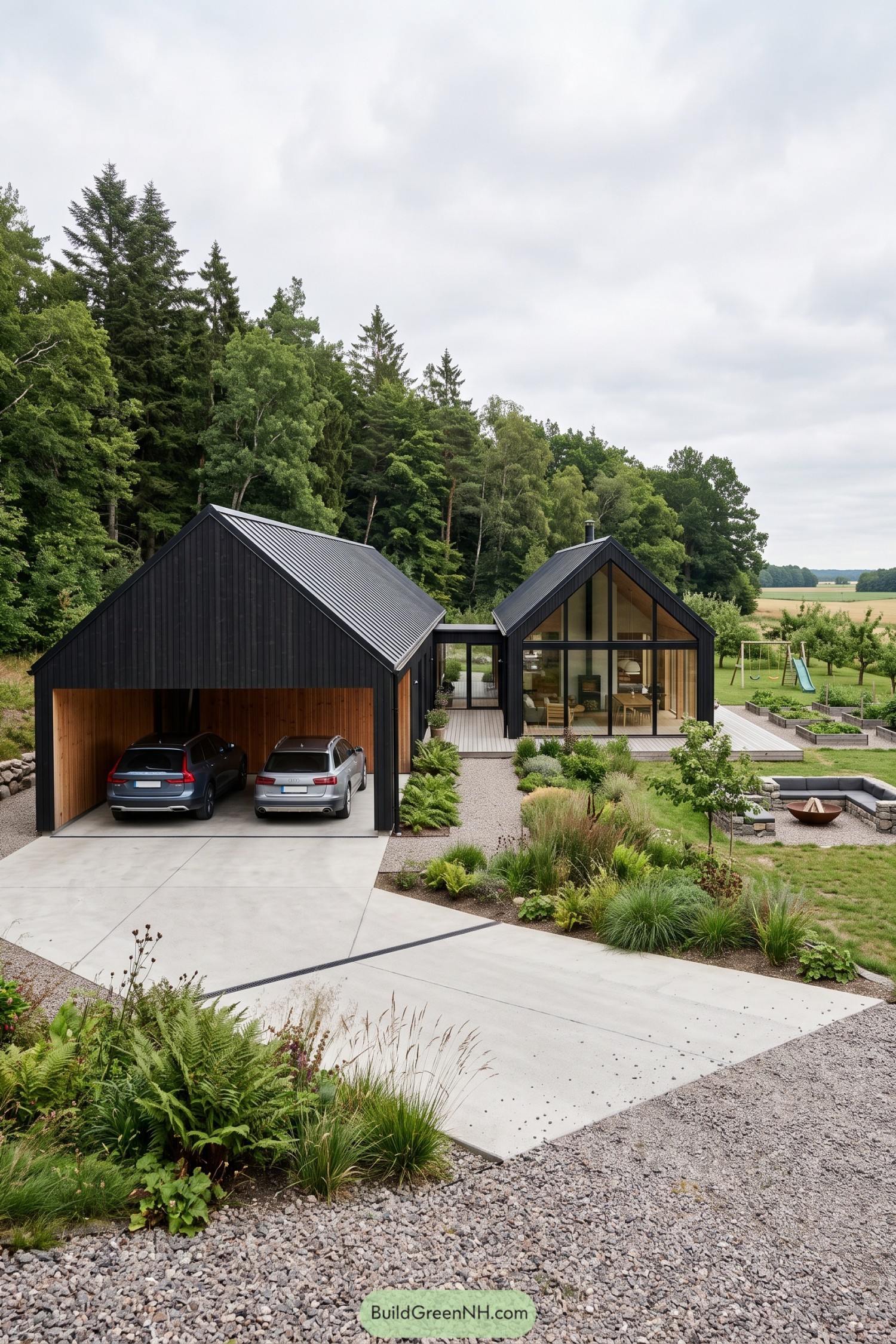 20 Modern Scandi Barn Houses That Turn Everyday Living Into a Nordic Fairytale
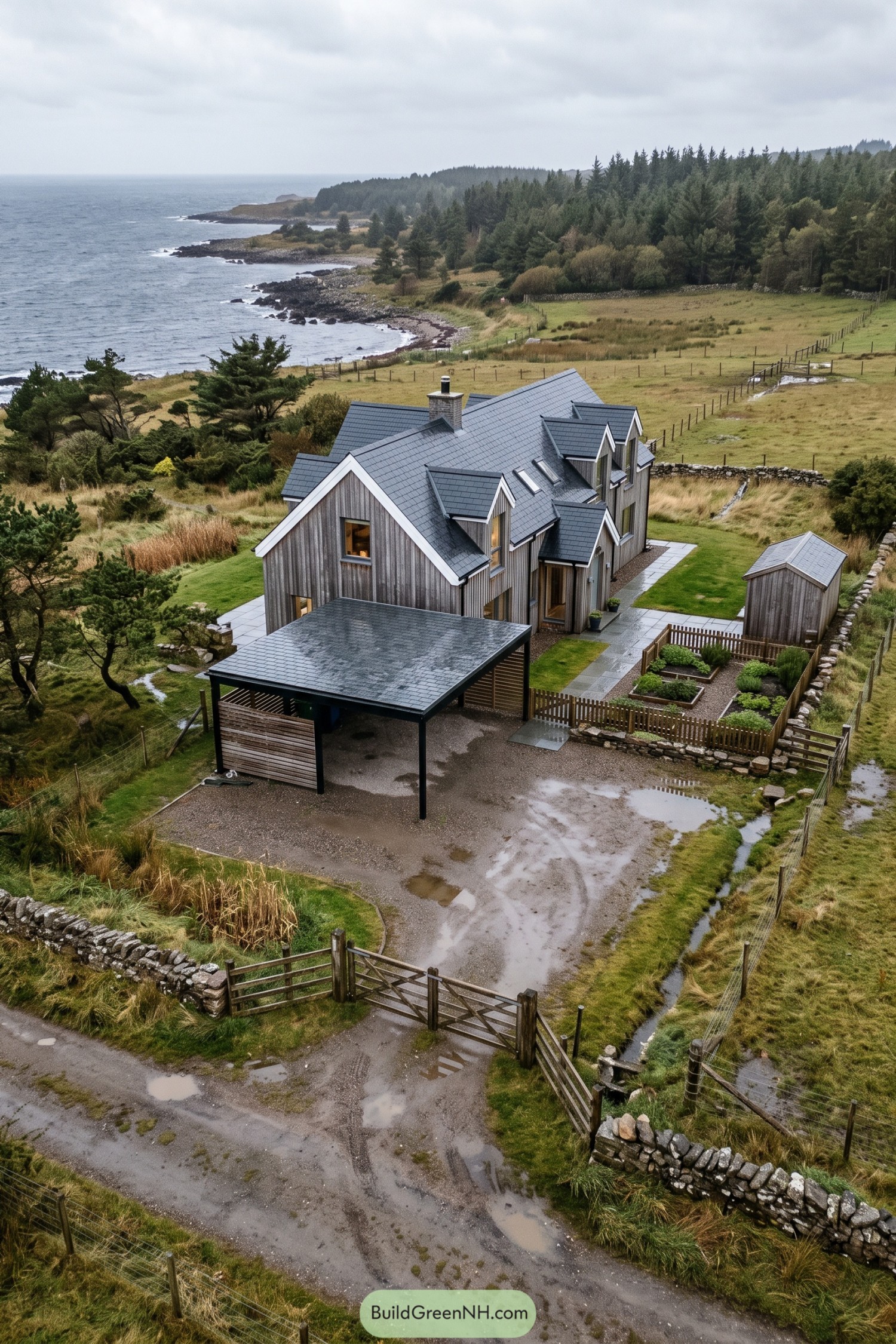 20 Cozy Nordic Farmhouses to Make Winter Your Favorite Season
Table of Contents